· Minneapolis, USA
“Rare disease, real hope”: the project featured in the University of Minnesota's magazine
Discovery, the magazine of the University of Minnesota Foundation, profiled Dr. Christina Pacak's work on Cockayne syndrome type B — and the Slovenian association and family behind its funding.
In the autumn of 2024, Discovery, the magazine of the University of Minnesota Foundation, published a feature titled “Rare Disease, Real Hope” about the development of gene therapy for Cockayne syndrome type B — the project our association funds.
For a disease this rare, being noticed at all is a milestone. Cockayne syndrome affects about two to three children per million births, and only a handful of researchers anywhere in the world work on it.
What the article describes
Dr. Christina Pacak, an associate professor in the Department of Neurology at the University of Minnesota Medical School, is one of those few. Her team is developing a gene therapy that would supply cells with a healthy copy of the gene that is faulty in Cockayne syndrome. The work is preclinical — in the laboratory, not yet in patients.
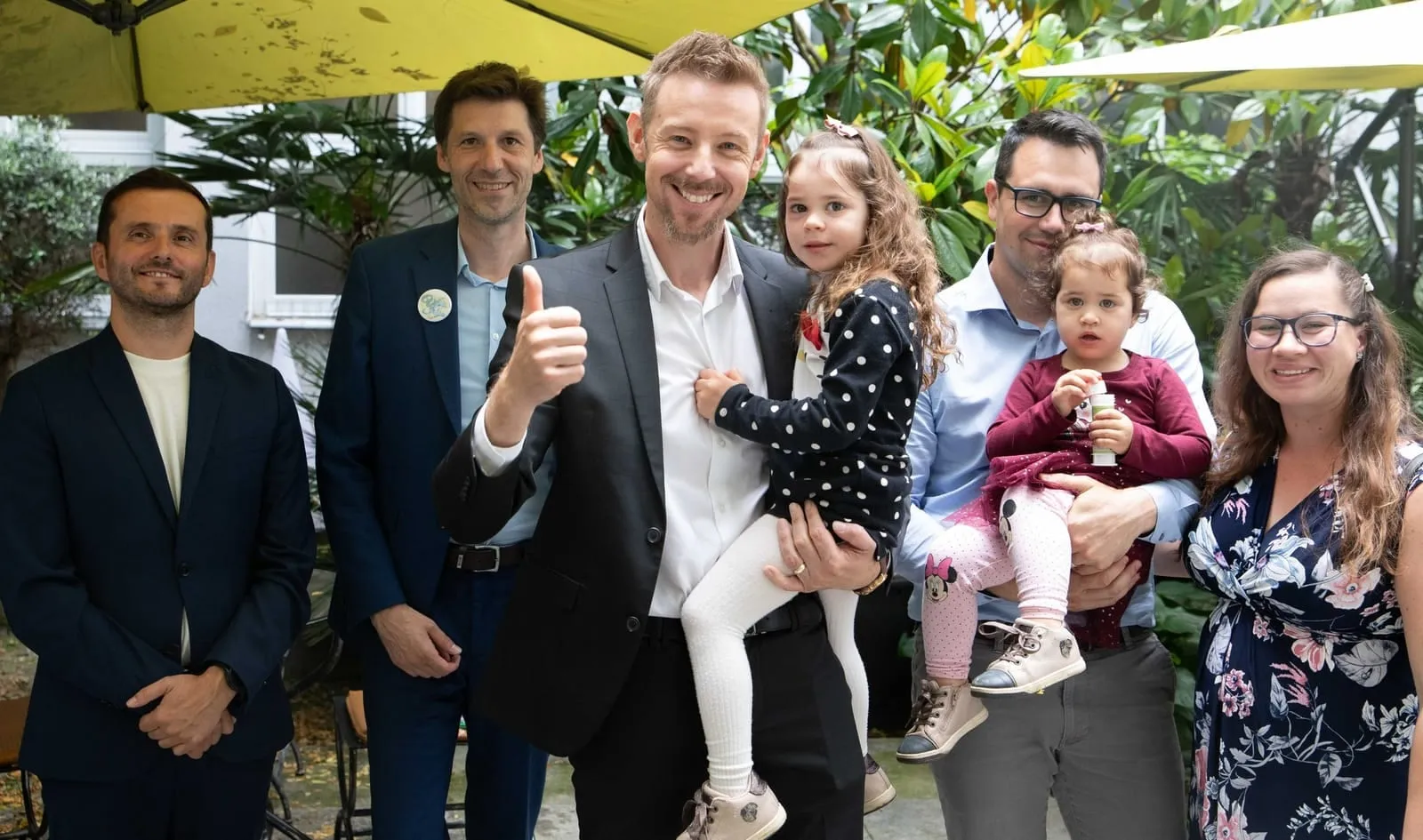
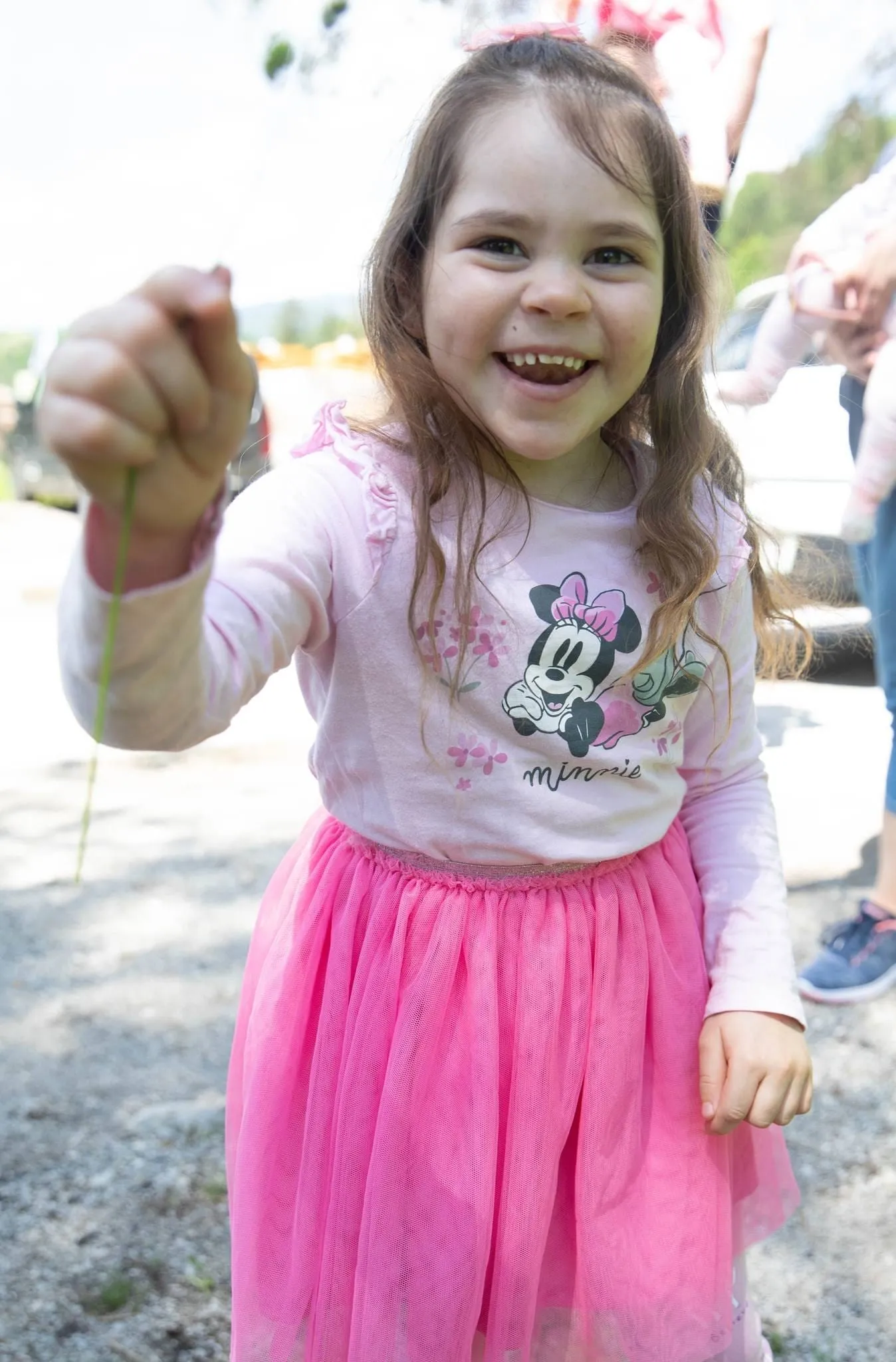
The article describes how the Slovenian connection came about: the Viljem Julijan Association, which partly funds the research, was introduced to Dr. Pacak through its president, Dr. Nejc Jelen, who put her in touch with Karolina’s family. She speaks with the family by video call every few months to tell them where the research stands.
On why this work matters beyond one condition, Dr. Pacak is quoted in the article as saying that “the impact of studying rare diseases is broad and significant.”
You can read the full article on the university’s own site: Rare Disease, Real Hope.
An evening for families
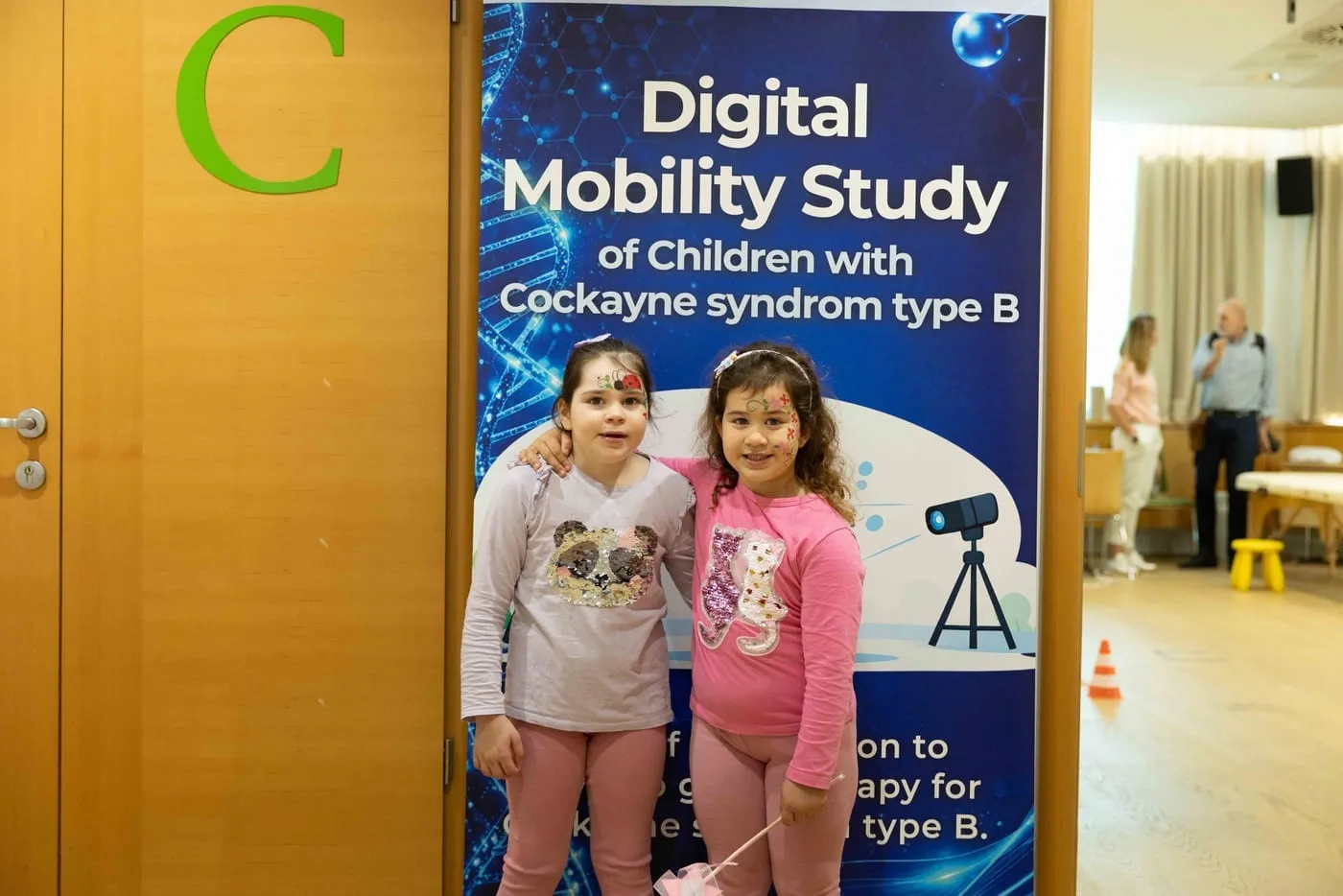
Alongside the feature, the association invited parents of children with Cockayne syndrome type B anywhere in the world to an online presentation on 5 October 2024, at which three of the scientists working on the condition — Dr. Christina Pacak and Prof. Peter Kang of the University of Minnesota, and Dr. Clévio Nóbrega of the Algarve Biomedical Center Research Institute — presented their work and its progress.
If your child or a child you care for has been diagnosed, you are welcome to join our patient registry so that we can reach you when there is something to tell.
Published by Viljem Julijan Association for Children with Rare Diseases. Photo: archive of the association.