· Ljubljana, Slovenia
International scientific conference on Cockayne syndrome held in Ljubljana
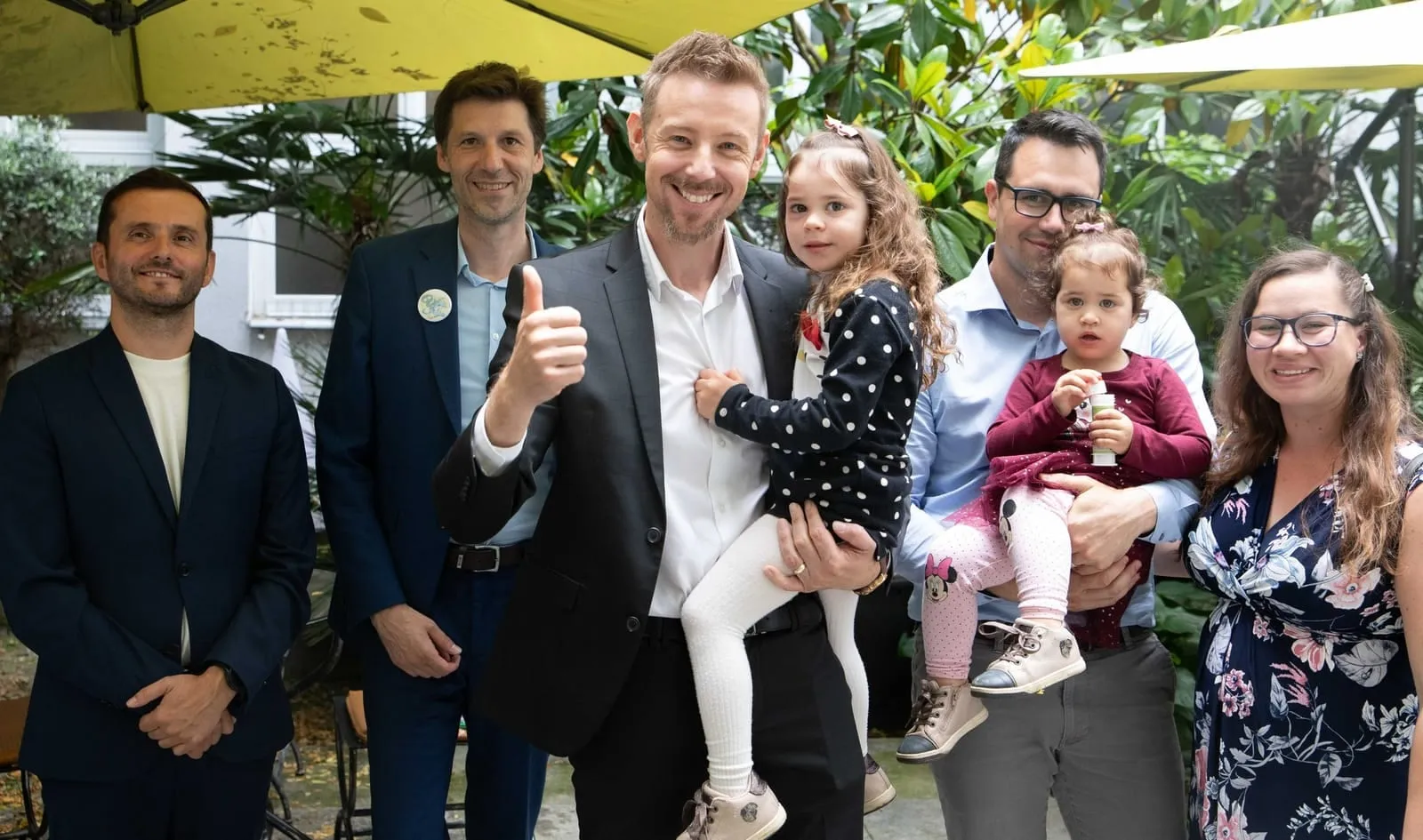
Leading experts from seven countries, and families from six, gathered in Ljubljana to connect the research groups working on gene therapy for Cockayne syndrome type B and to prepare the ground for clinical testing.
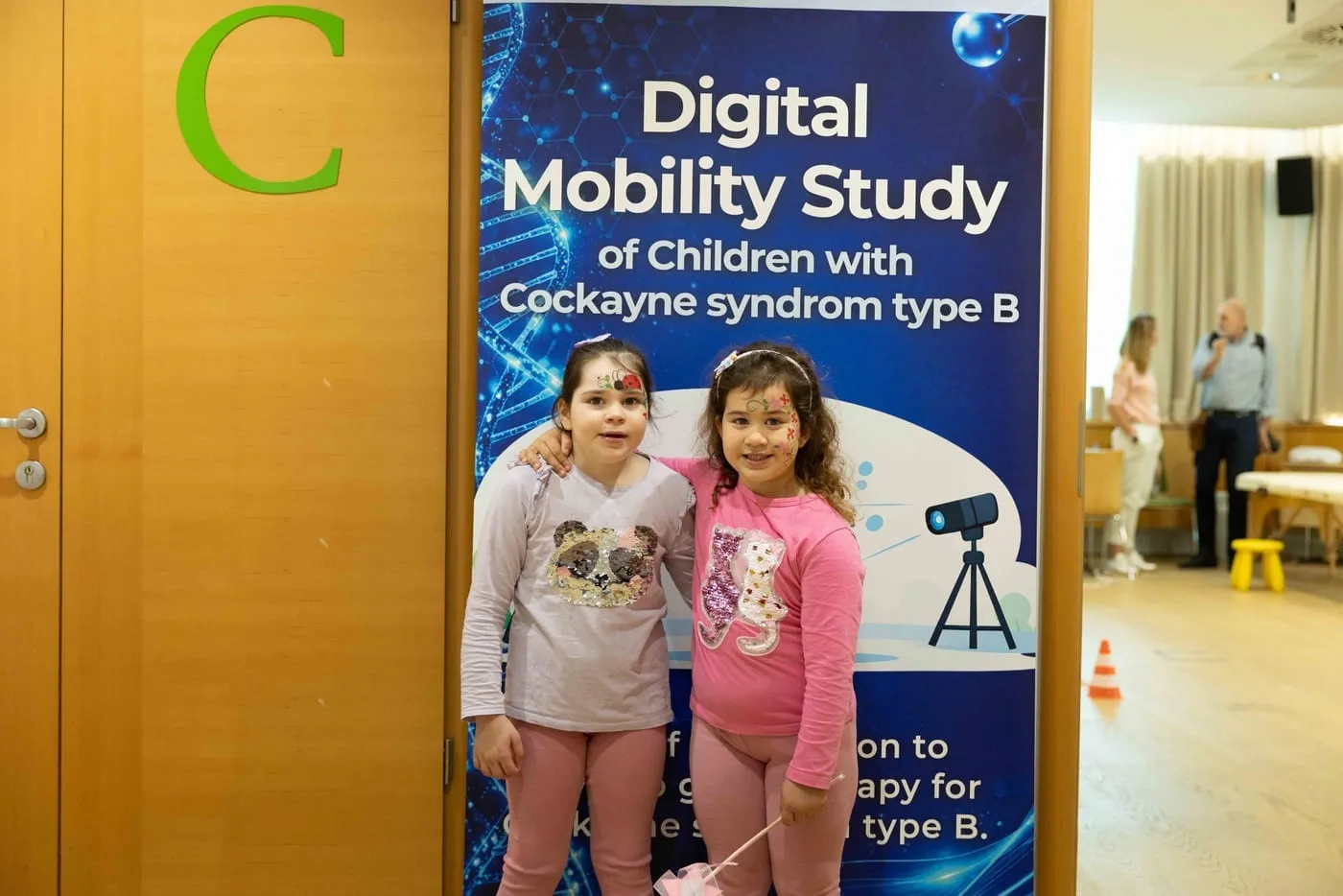
From 8 to 10 May 2026, Ljubljana hosted an international scientific conference on Cockayne syndrome, organised by the Viljem Julijan Association as part of its project to develop gene therapy for Cockayne syndrome type B.
For a disease this rare, bringing the field into one room is itself a milestone. Experts came from the United States, the Netherlands, Germany, France, Portugal, Japan and Italy — among them Dr. Christina Pacak (University of Minnesota, USA) and Dr. Clévio Nóbrega (Algarve Biomedical Research Institute, Portugal), who have been developing gene therapy together with the association for three years.
Why bring everyone to one table
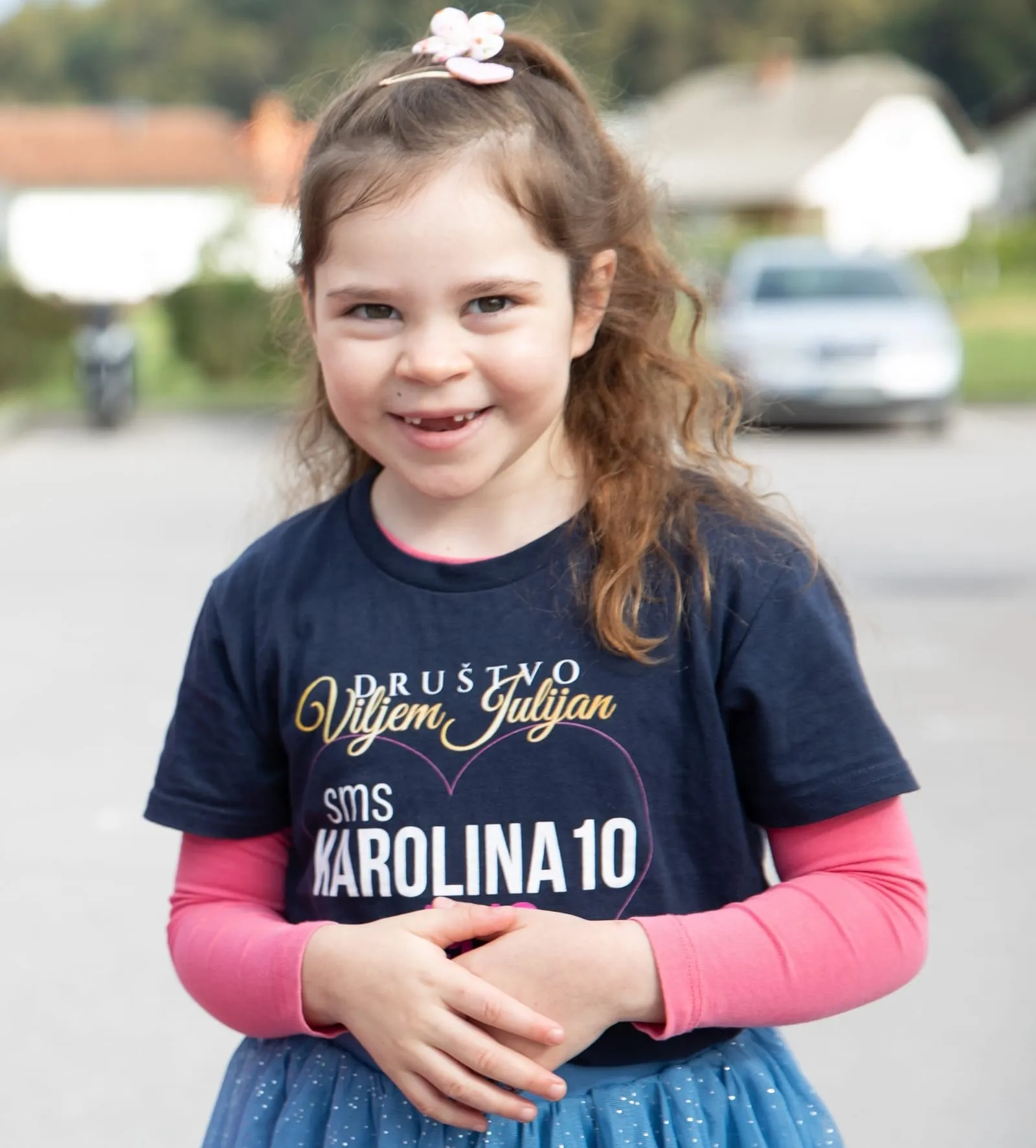
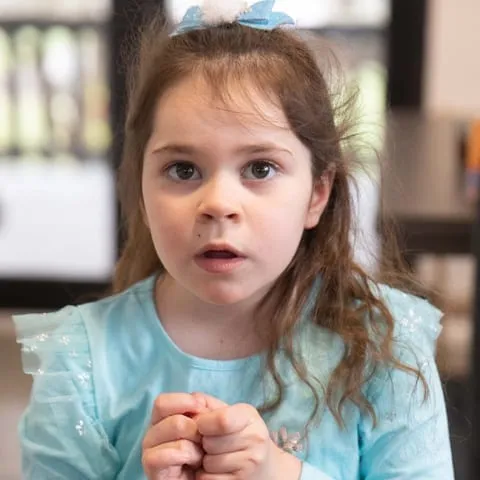
Cockayne syndrome type B is one of the rarest and most severe genetic diseases, and there is still no treatment or cure. Research groups working on it are few and scattered across continents. The goal of the conference was to connect them, share the latest results, and lay the foundations for the start of clinical testing — the step that could, for the first time, give children like Karolina access to treatment.
The children were there too
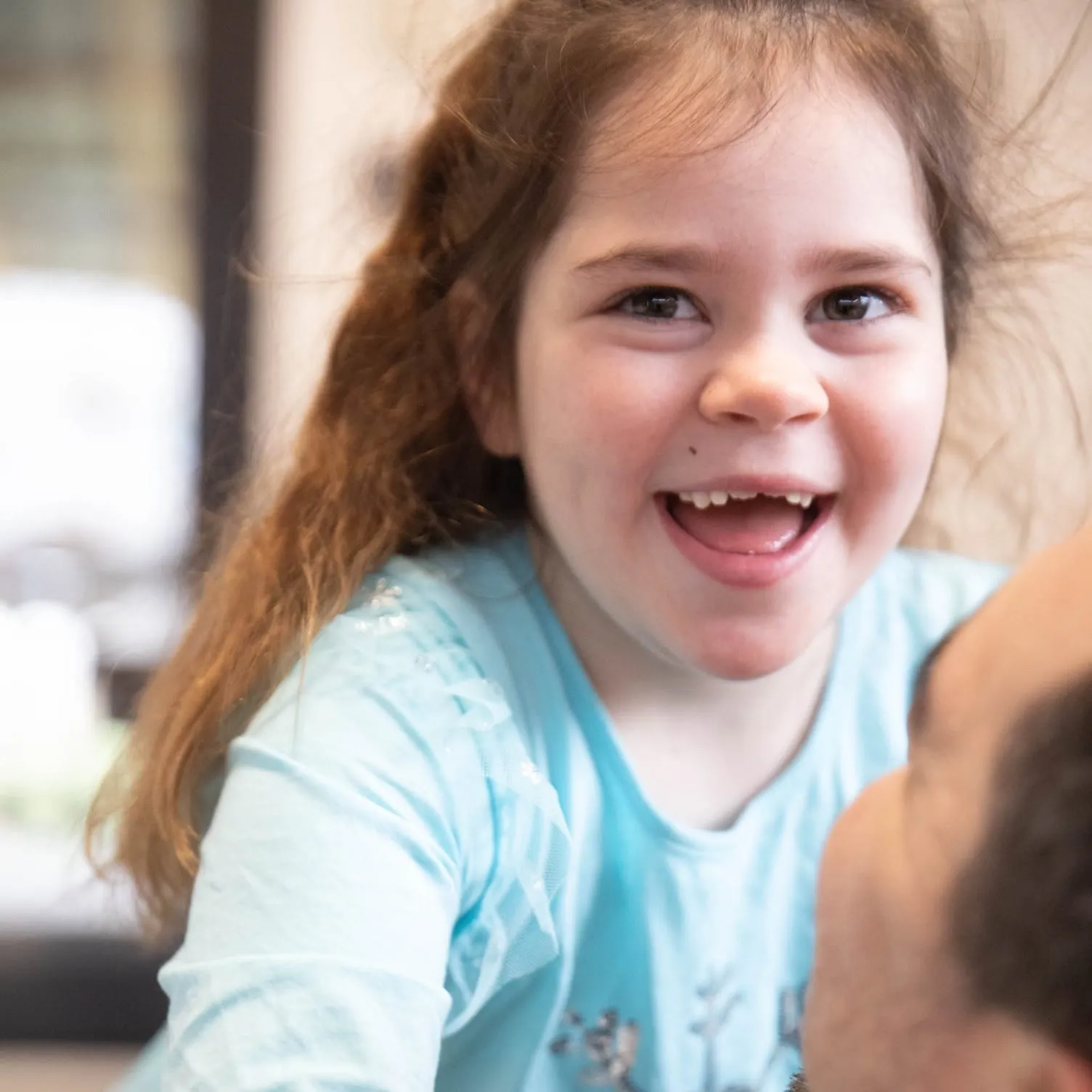
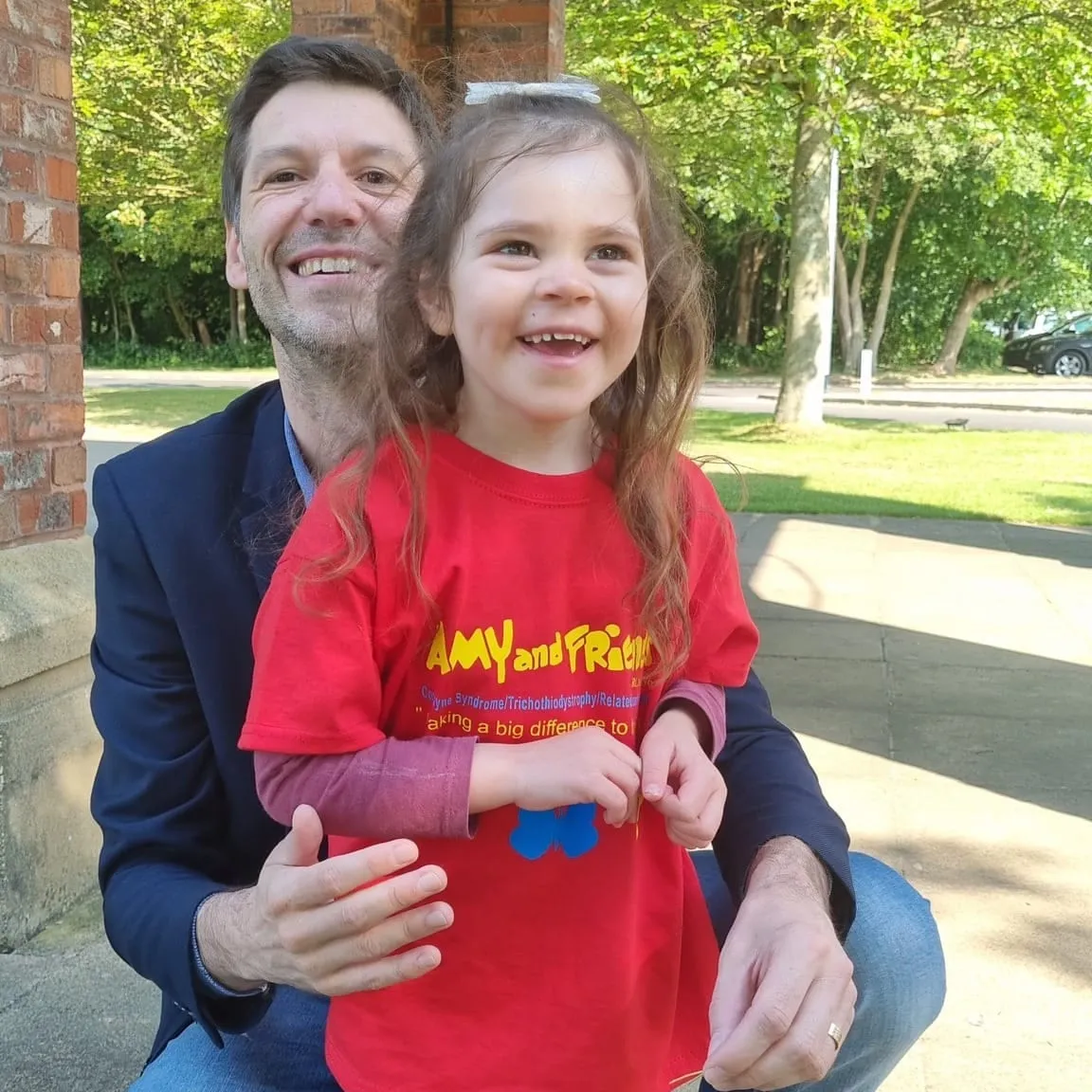
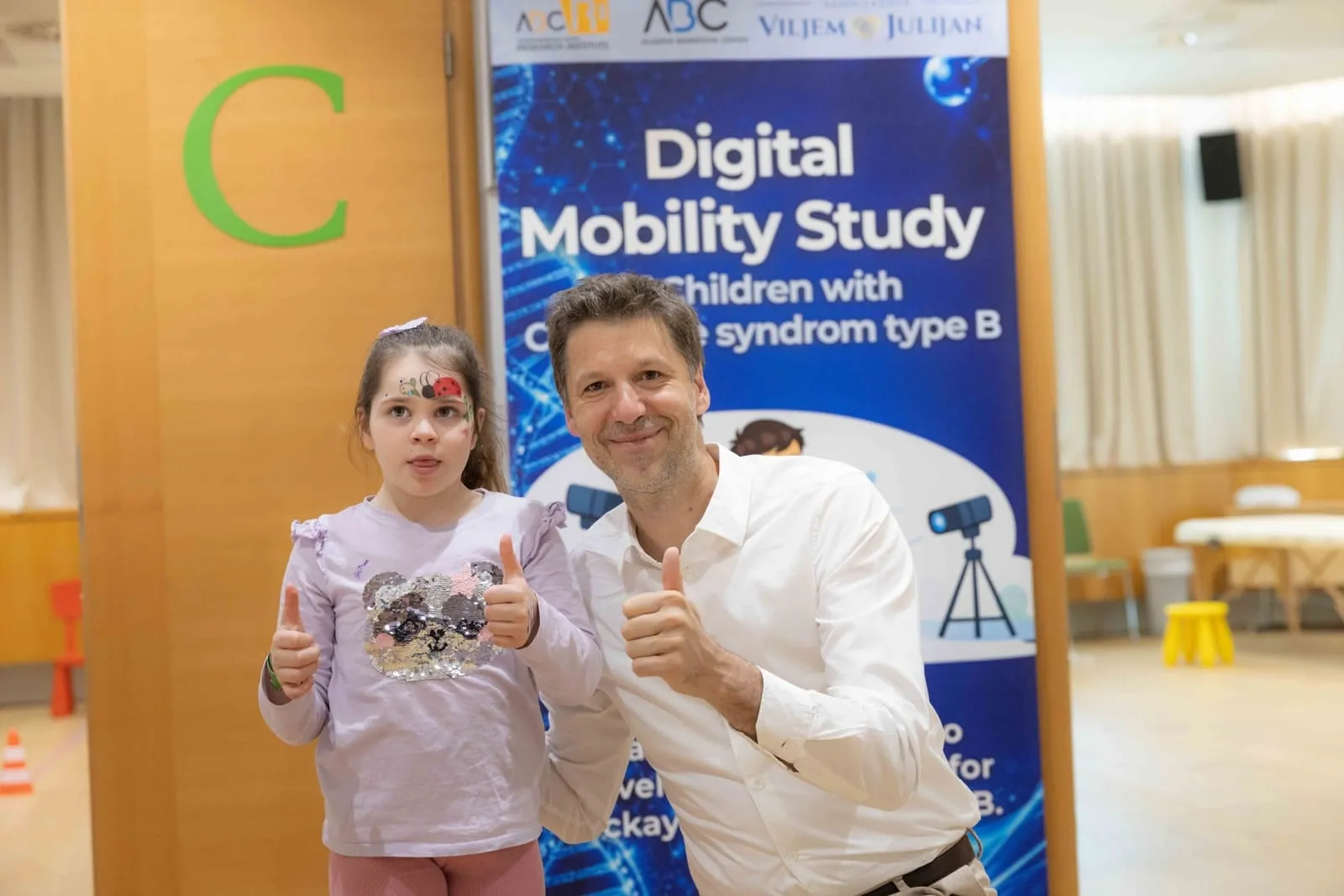
Children with Cockayne syndrome type B travelled to Ljubljana from the United States, France, Hungary, Croatia, Spain and Slovenia. All of them face a disease that gradually takes away their ability to move, speak and function.
Alongside the conference, Ljubljana also hosted an important study of children with Cockayne syndrome type B — a Digital Mobility Study, which uses advanced methods to measure how the disease affects movement. Studies like this matter more than they might appear: a future clinical trial needs reliable ways to measure whether a therapy is working, and for a disease this rare those measures barely exist yet.
What it means
Three years after the Viljem Julijan Association started the project of developing a gene therapy for Karolina’s disease — and a year after Slovenia raised more than €2.1 million for it — the conference brought the international effort a significant step closer to a common goal: that children with Cockayne syndrome type B receive a real chance at treatment as soon as possible.
You can read more about the research and where it stands today, or join our patient registry if your child or loved one has been diagnosed.
Published by Viljem Julijan Association for Children with Rare Diseases. Photo: archive of the association.