· Slovenia
The campaign begins: €104,477 in the first three days
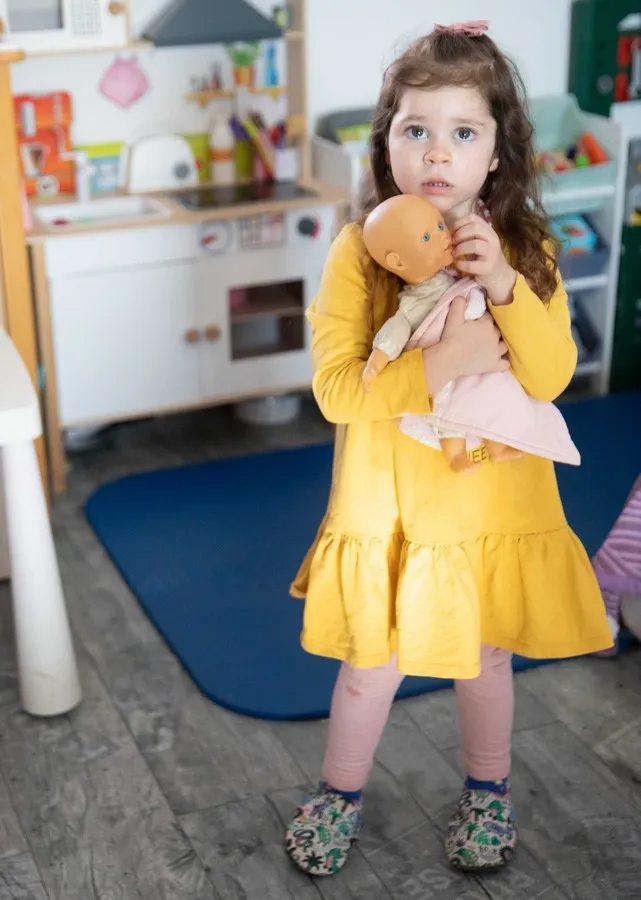
Three-year-old Karolina had been diagnosed just before Christmas 2022. Slovenia answered the first appeal with €104,477 in three days — the start of a two-year campaign.
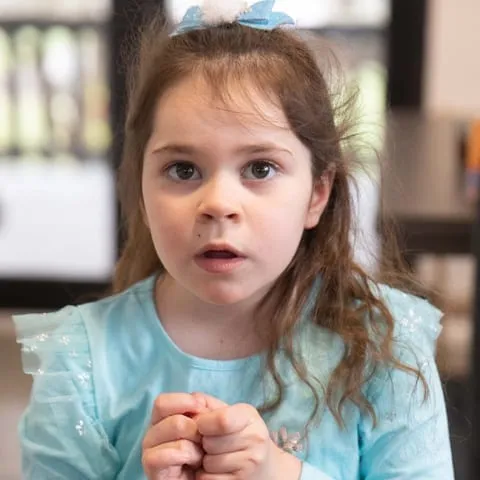
In February 2023, three days into the campaign for Karolina, Slovenia had donated €104,477. It was the beginning of an effort that would last two years and end at more than €2.1 million.
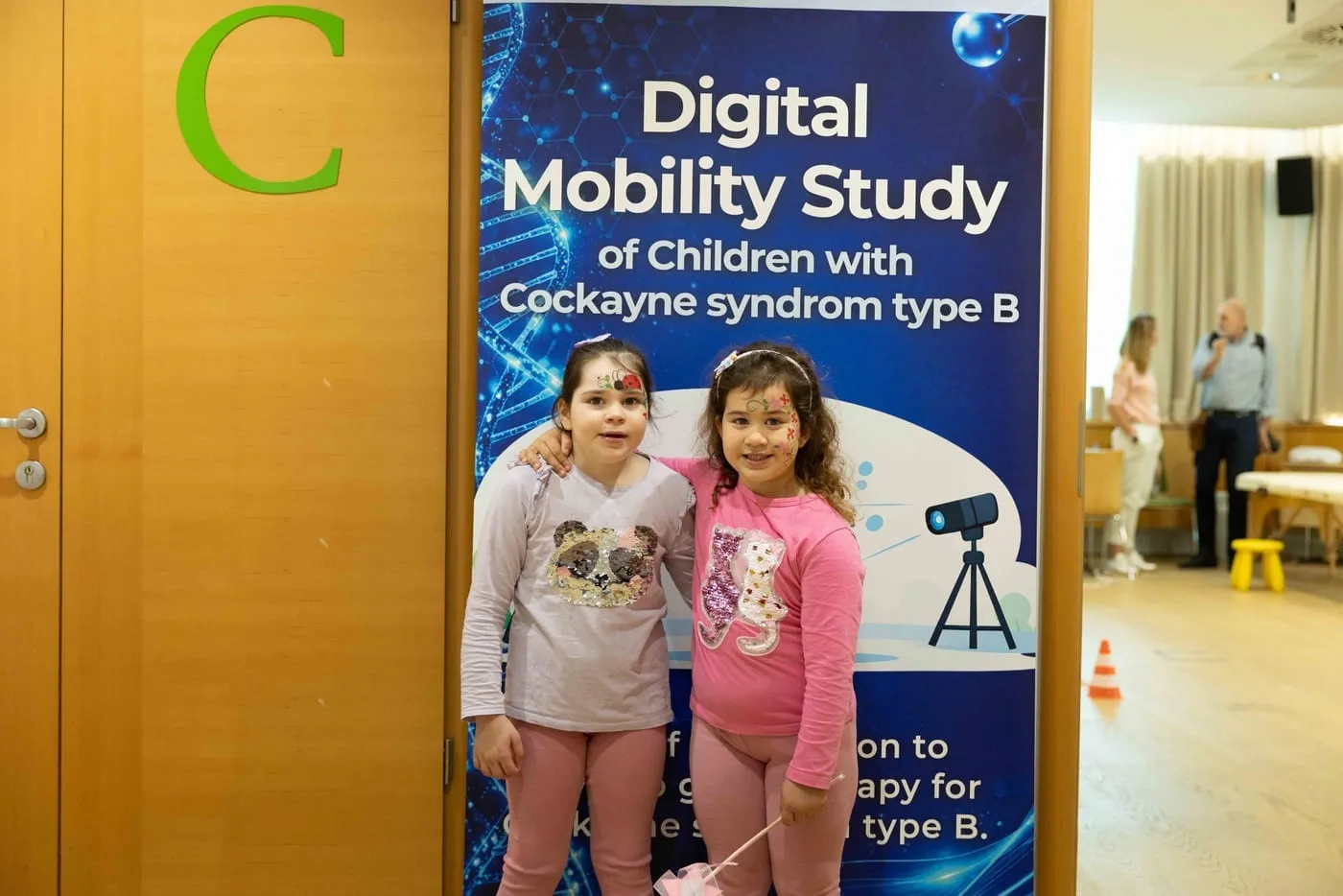
Karolina was three years old. Shortly before Christmas 2022 her family had been told what was wrong: Cockayne syndrome type B, a rare genetic disease that damages many organs at once, takes hearing and sight, and shortens life. There is no treatment for it and there was none then.
Why the money, and why so much
The association had found experienced scientists in the United States and in Portugal who believed a gene therapy for this disease could be developed — a treatment that would give cells a working copy of the faulty gene.
Developing it costs about €2 million for the preclinical phase alone: the laboratory and animal work that has to be finished before any regulator will discuss treating a child. The immediate need in February 2023 was €400,000 by the end of March, to fund the first block of research.
That is an uncomfortable thing to explain to a country: that a child’s chance depends on whether strangers give money fast enough. Slovenia gave.
What happened next
The campaign ran for two years. It passed €1.8 million in October 2024 and closed in March 2025 at €2,102,197 after a sold-out concert in Ljubljana.
The research it paid for is described on our gene therapy research page. It is still preclinical — honest reporting means saying that plainly — but it exists because of what began in those three days.
Published by Viljem Julijan Association for Children with Rare Diseases. Photo: archive of the association.